
The Ultimate Head-to-Toe Clothing Fit Guide for Men
Originally published on theadultman.com
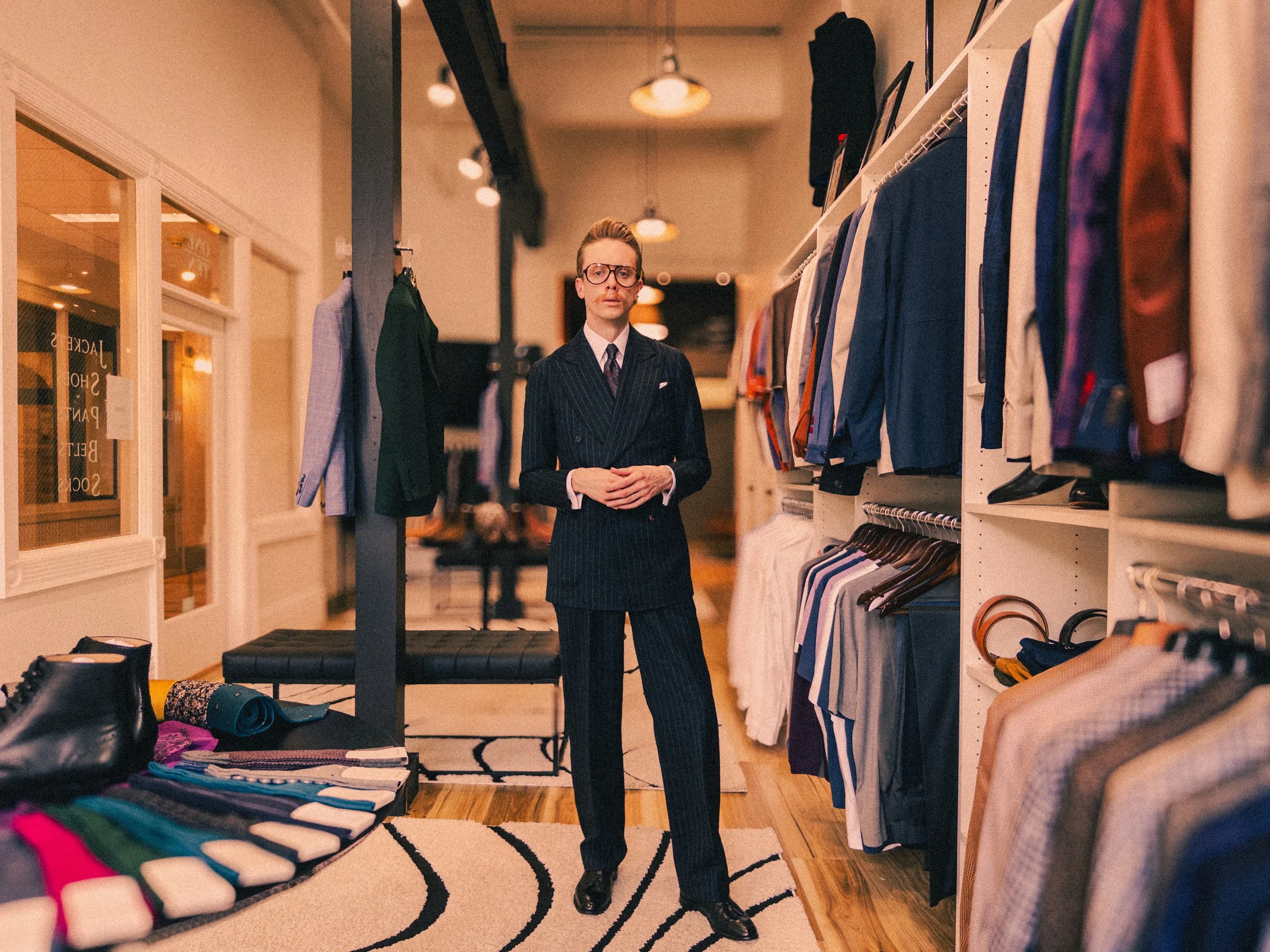
Key Takeaways:
Your clothing is one of the first things people notice when passing you on the street or meeting you for the first time.
It’s often the first impression anyone will have of you.
It’s very important that your clothing fits properly so that the message you’re conveying is one of self-confidence, self-care, and attention to detail.
Intro:
Having worked as a menswear consultant and custom clothier for over 8 years, I have learned a lot about the way things should fit.
Many fit options are personal preference. But others are more of a hard, fast rule.
This article will remain focused on tailored clothing and their usual accoutrements. However, applying these rules and guidelines to your more casual items will certainly prove worthwhile and I recommend that you do so.
Sit back, relax, and I’ll tell you everything I think you should know about how your clothing should fit.
The Suit
If there’s one outfit in your closet that needs to fit properly, it’s your suit. There’s no exception. A well-fitting suit is a staple piece for any man’s wardrobe. A suit is an outfit made up of a tailored jacket and trousers cut from the exact same cloth. Many of my clients refer to the jacket alone as “the suit.” So I just wanted to clarify here before moving on that the term “suit” refers to both a jacket and pants sold as a matching set.
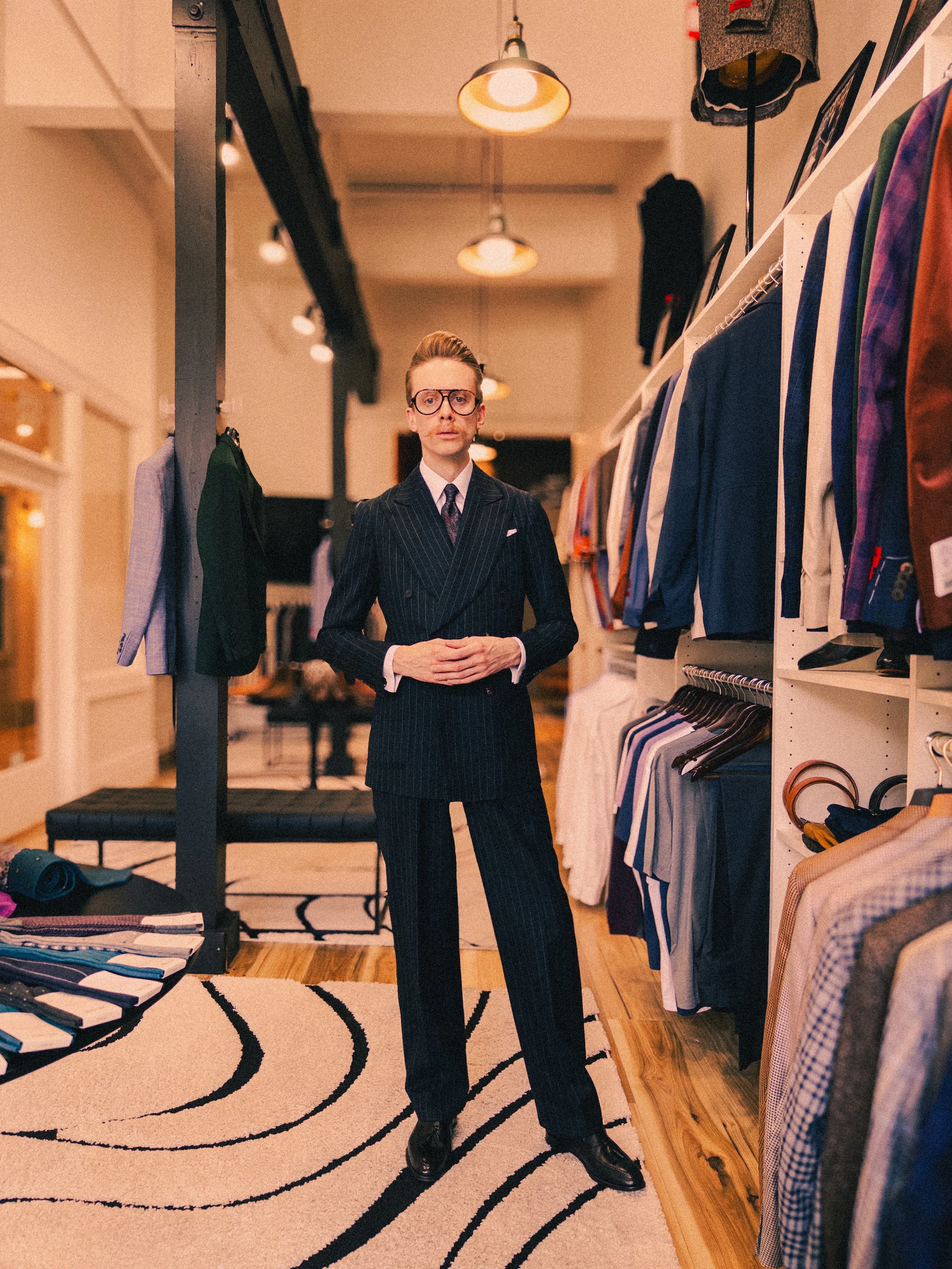
Unfortunately, ill-fitting suits are extremely common. In my experience, 90-95% of men aren’t wearing suits that fit the way they should (without realizing it, of course). The area in which I live may be an outlier in the world of proper tailoring, but it’s a common problem no matter where you might find yourself.
If you fall into this category (or you have an inkling of such), it’s not likely your fault. Mass-marketing, salesmen who know less about what they’re selling and care more about commission, and fast-fashion are amongst the culprits who douse the unsuspecting with fallacious disinformation. In other words, you’ve been misinformed, both unintentionally as well as intentionally. But, you don’t know what you don’t know.
The suit is the best item of clothing with which to begin this article. Conveniently, many of the following guidelines (in regard to the suit) apply just as well to your casual items — although you’ll have more freedom there.
There are nuances of paramount importance for which you must be mindful when buying a suit. Alterations can rectify certain issues, but there are limitations to what a tailor can do with pre-made suits.
It’s important if you’re buying off-the-rack to get the best possible fit prior to alterations. Here’s what to look out for:
Jacket
Shoulder
The first thing to look out for on a jacket is that the shoulder fits right. The point where the sleeve meets the shoulder of the jacket should hit at your shoulder bone or just past it, depending on your build and the jacket’s shoulder style (natural, padded, roped, etc.).
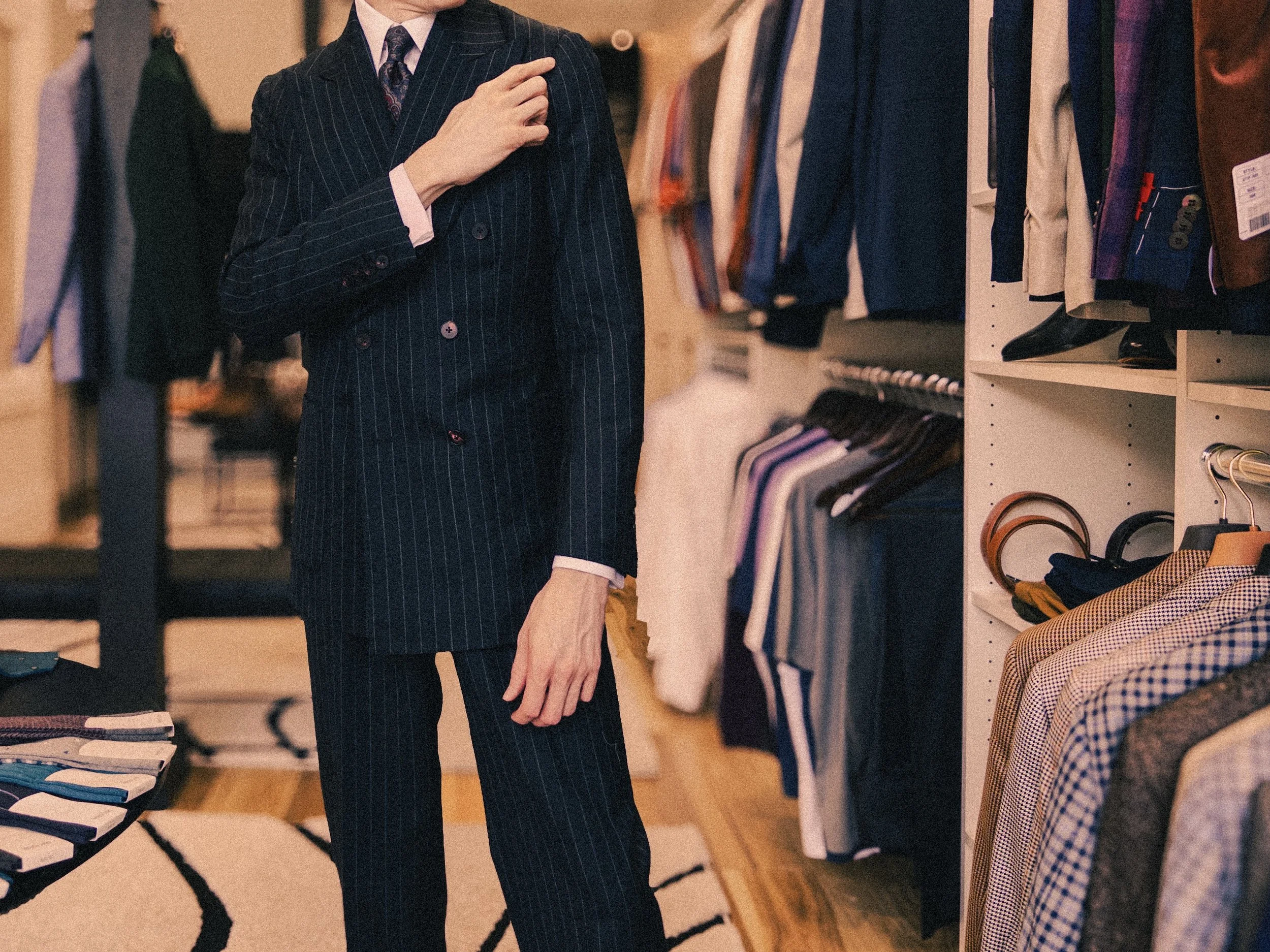
There should not be excessive overhang or bunching of fabric in this area. The sleeve should fall cleanly from the shoulder when standing relaxed with your arms by your side.
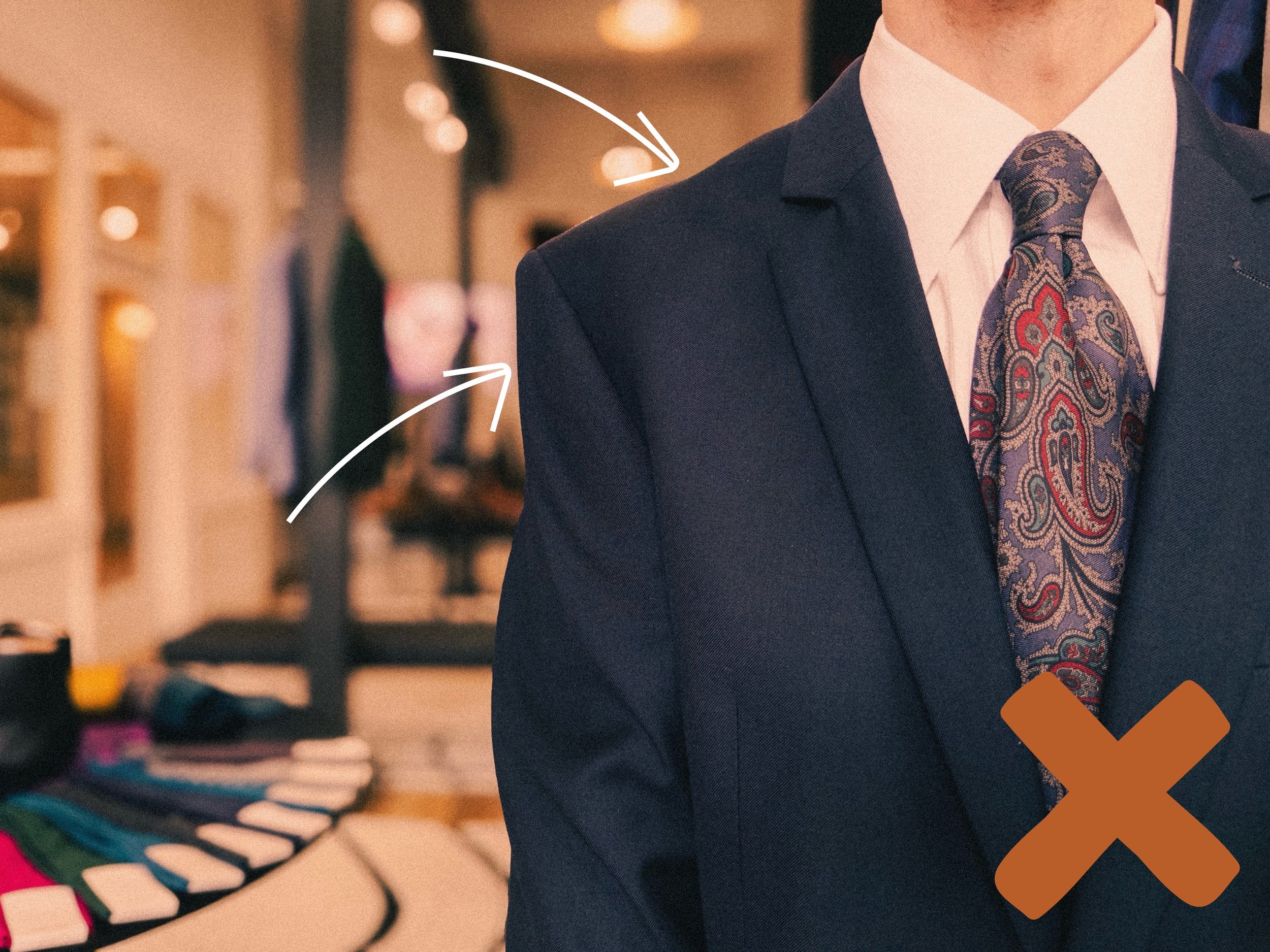
Depending on your build, you may need to look for jackets made with a “natural” shoulder, rather than a padded one. The natural shoulder has no padding and will allow the sleeve to drape nicely even if you’re someone with broad, muscular, or sloping shoulders.
The shoulder is an extremely difficult area to adjust on a jacket. Most tailors won’t do it. And if they will, the cost is typically more than the work is worth. So make sure the shoulders fit correctly before moving on.
Length
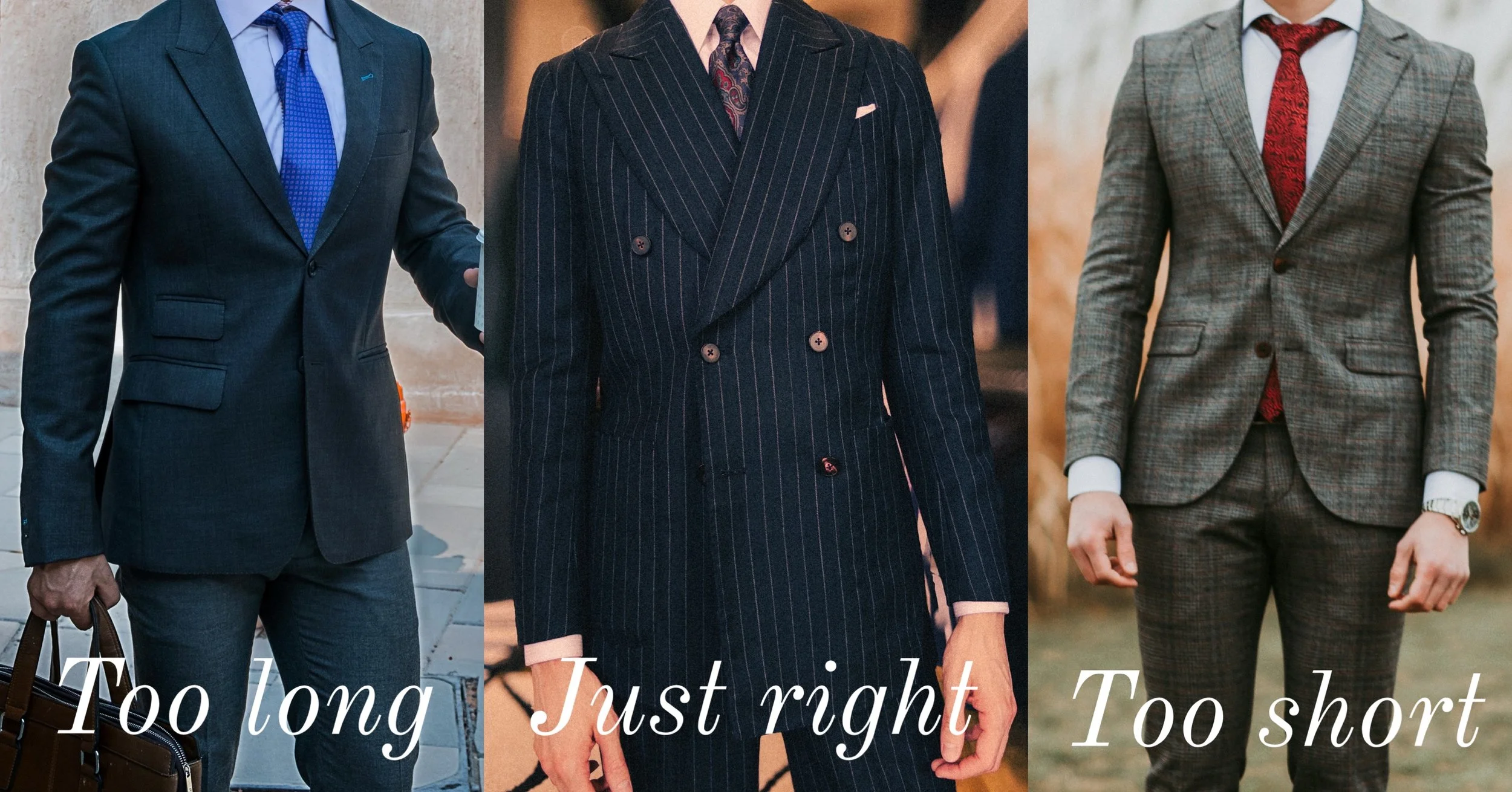
The second thing to look out for on a jacket is that the overall length is correct. A jacket should cover your seat in the back and will usually rest between your two main thumb joints in the front. This is something I look at very closely when fitting for suits, however, because everyone’s build is different. Overall, we want the jacket to be proportional with the suit as a whole. Personally, I have very long arms. This means that the proper jacket length on myself ends up hitting closer to my first prominent thumb joint in the front instead.
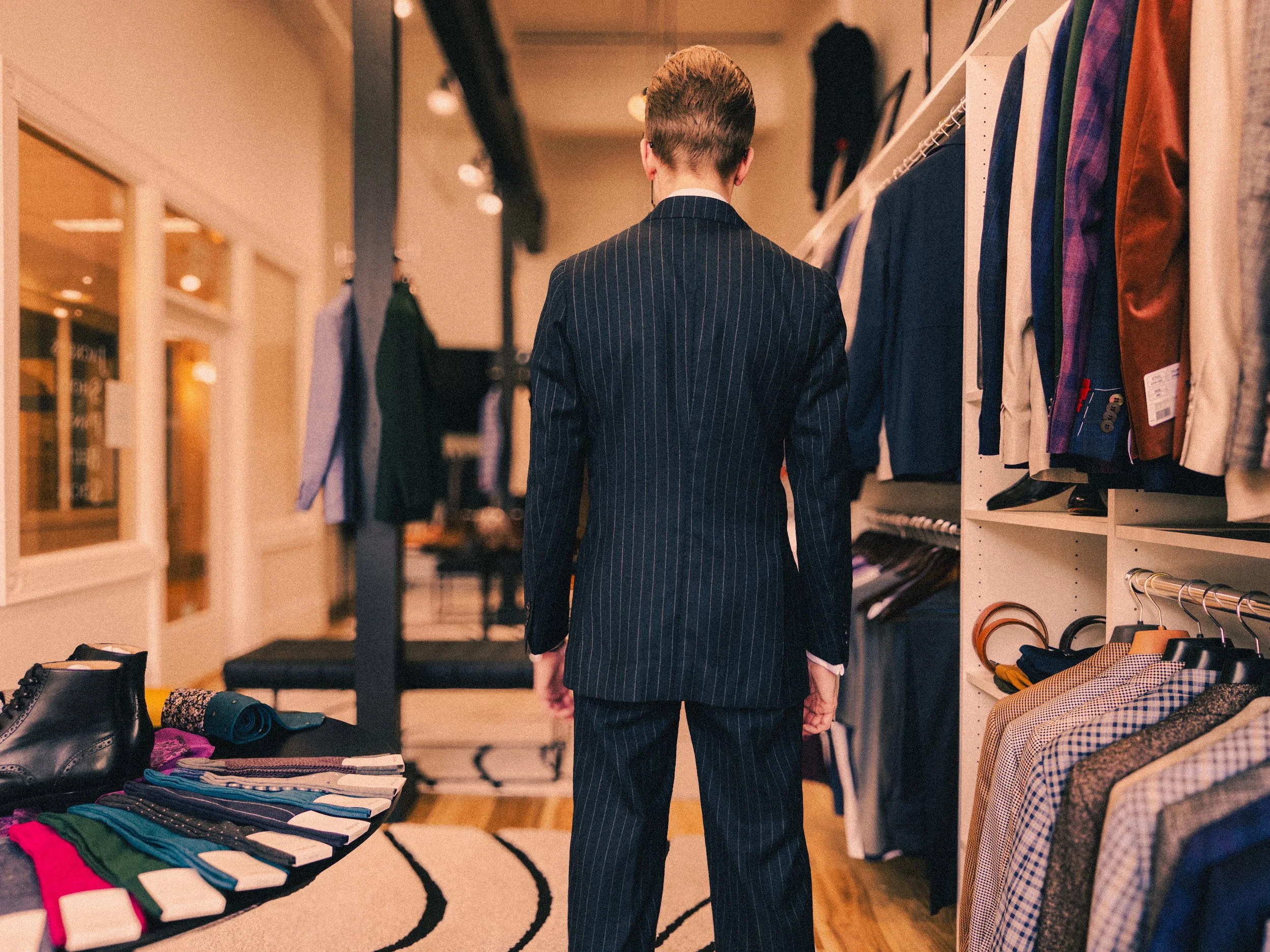
Many jackets these days are cut much too short. It’s trendy and it saves manufacturers a lot of material. Don’t fall for this trend. The longer jacket is timeless and will always reign superior. It allows for better drape in the garment, improves the proportions of the whole suit, and it keeps your butt covered at all times (literally).
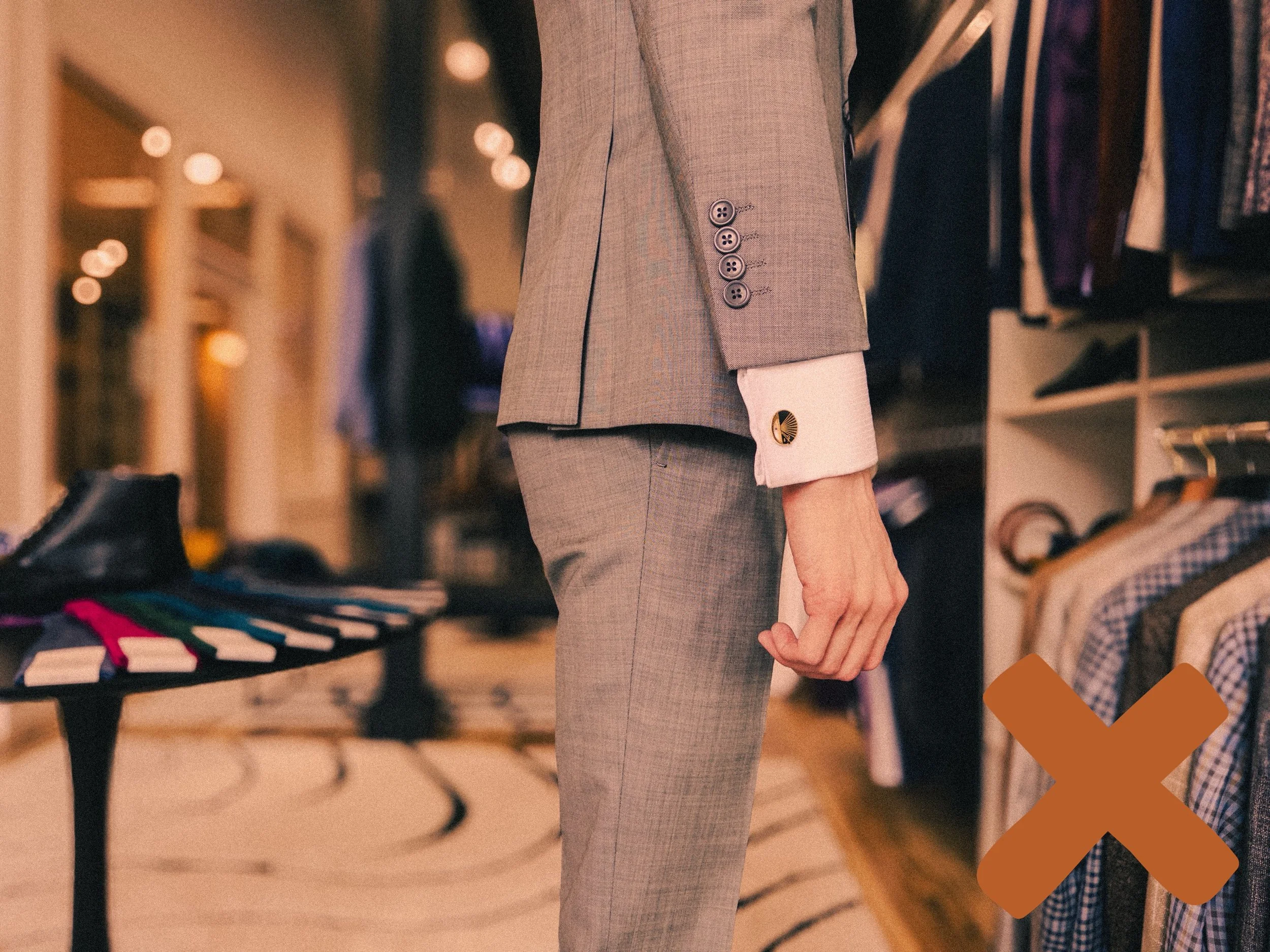
The jackets can’t be lengthened. So make sure to get the length right from the beginning.
Button Placement
The third thing to look out for on the jacket is the button placement. Most jackets these days are two-button and single-breasted. The top button of a two-button jacket should sit near your natural waist.
For most people, this will be the narrowest portion of your waist. Having the button fastened there will give you the proper silhouette as well as allow the jacket to drape properly over the chest.
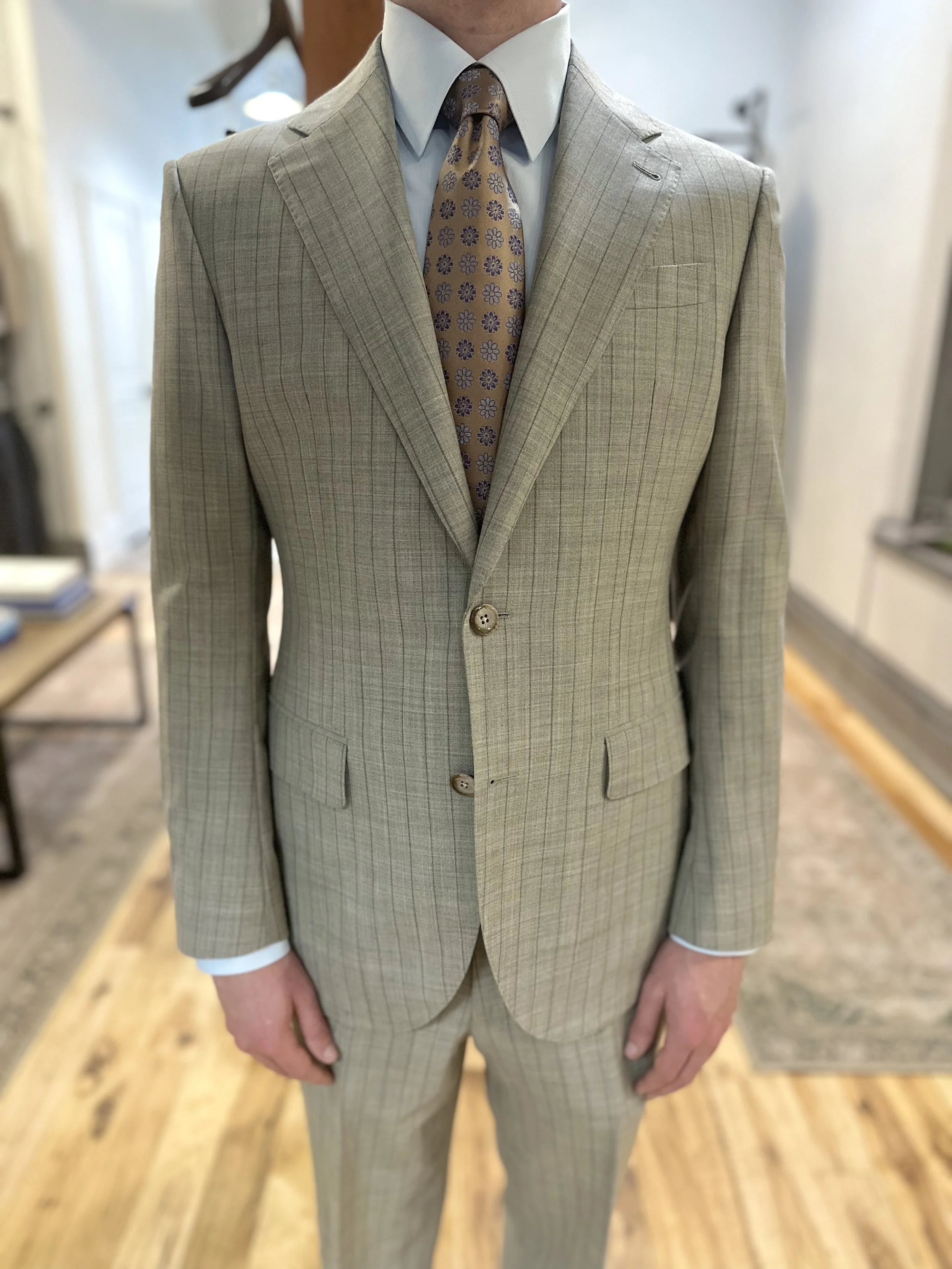
When the jacket drapes properly, note that the collar of the jacket should rest against the collar of your shirt. No gap should be present between the shirt and jacket collar (referred to as collar gap).
Having the button too high (a common problem with ready-to-wear suits) results in a contorting lapel at the chest, an unflattering silhouette, pulling at the button area, and the overall appearance of wearing a suit that’s entirely the wrong size.
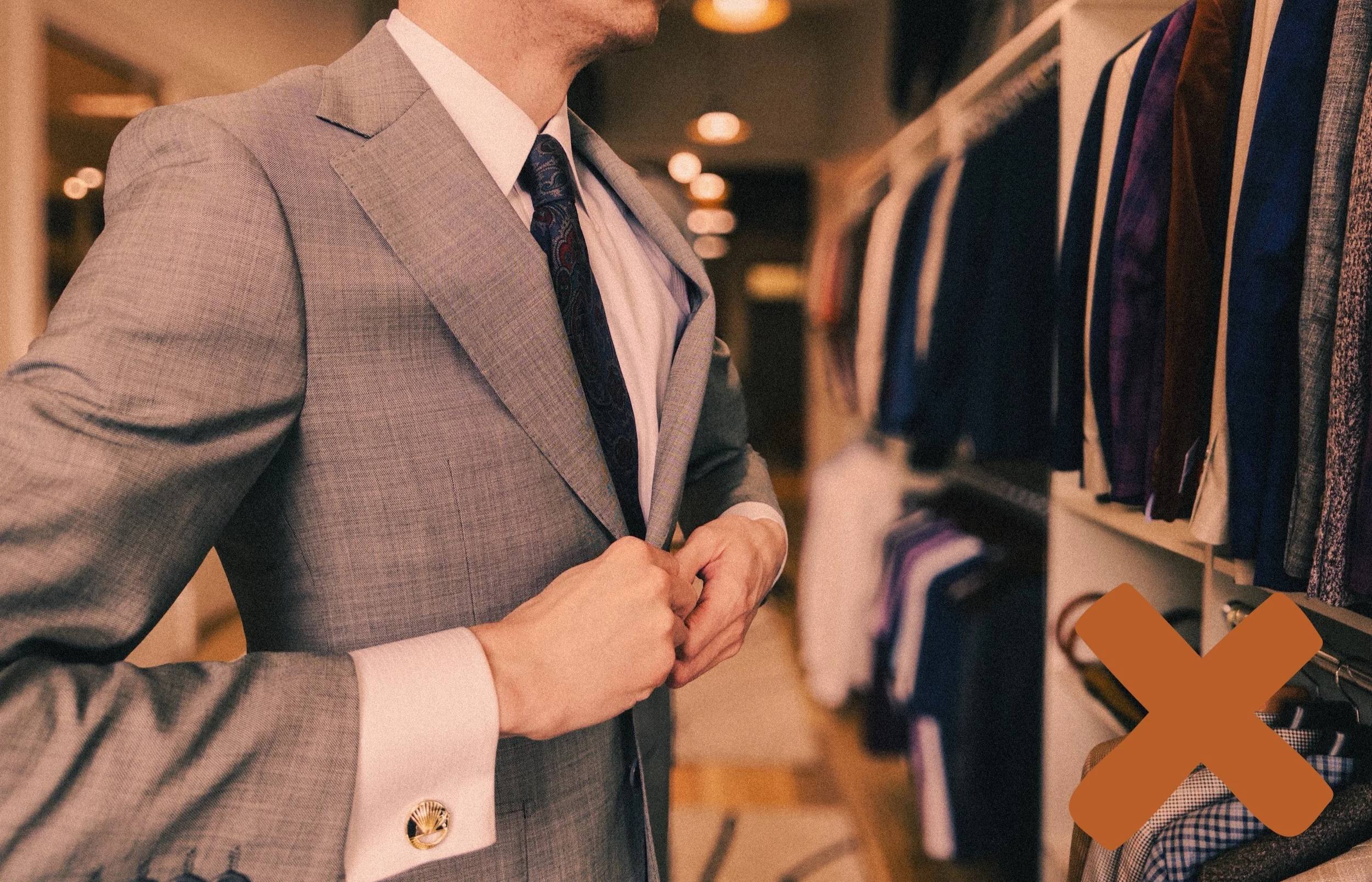
Note: Never fasten the bottom button of your jacket. And if you’re wearing a three-button jacket, the middle button should be the one that sits at your natural waist. The top button on a three-button suit can be worn fastened or unfastened.
Sleeve Length
The fourth area to pay attention to on a jacket is its sleeves. A jacket sleeve has a huge effect on the proportions of your suit.
Too short, and you’ll look like you’re wearing your younger brother’s suit. Too long, and now you’re suddenly wearing your grandpa’s.
Getting the balance right on a sleeve can make the whole suit. Whereas getting it wrong can completely demolish the intended effect of the classic ensemble.
A jacket sleeve should hit right about at the wrist bone. Between one-quarter and one inch of shirt cuff should protrude past the end of the jacket sleeve. We prefer one quarter to one half inch for regular cuffs. But one half to one whole inch for French cuffs.
A jacket sleeve can be altered pretty easily. But you don’t want to have to shorten or lengthen by more than about one to one and a half inches, if possible.
Keep in mind that “surgeon’s” cuffs (cuffs with functioning buttons) are not able to be adjusted in the way a non-functioning cuff is. So if you think you’ll need the sleeve adjusted, opt for a suit or jacket with buttons that are sewn through.
Taper
Overall, your jacket should taper enough at the mid-section to distinguish your chest from your waist. It’s something to watch for, but a tailor can easily bring in (or let out) the jacket waist to accommodate your build. Just make sure there is enough fabric available in the suit to let it out if that adjustment will be necessary.
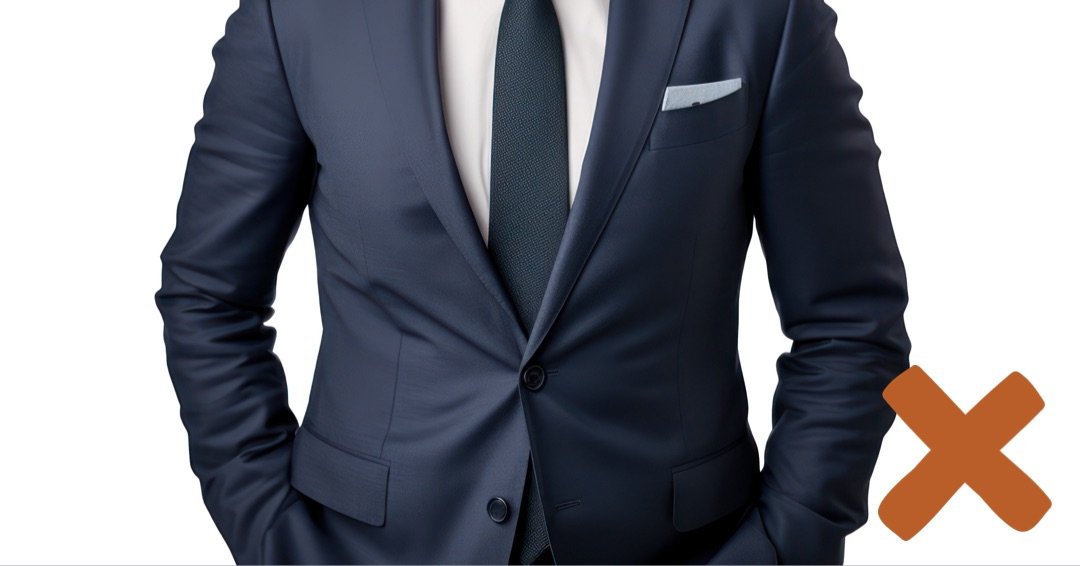
It should never be tight enough to cause pulling at the button-point, which creates a distinct ‘x’ where the button fastens. Beyond that, it’s up to you how tight or loose you’d like to wear it.
Trousers
Trousers are often worn incorrectly as well. I feel that it’s equally as important to devote time to carefully studying the fit of your trousers as it is to verify that the aforementioned points in regard to the jacket are met with scrutinous observation.
The suit is meant to create a flattering silhouette, which cannot be accomplished if the jacket and pants are not working in harmony one with another.
Rise
It is most unfortunate that low-rise trousers have become the go-to in ready to wear clothing. I see so many low-rise pants — especially with overly tight legs (two negatives does not a positive make in this situation), and they drive me up the wall. As someone who wore pants this way in my teens and even early 20’s, I have earned the right to my particular distain.
Most men these days are more comfortable in a low-rise pant, whether tight-fitting or not. However, a properly cut pair of high-rise trousers is extraordinarily more comfortable and used to be the standard for men’s tailoring. But most men never get the opportunity to try a high-rise pair anymore and end up resorting to the low-rise (modern) standard to which they’ve become accustomed (thanks, fast-fashion).
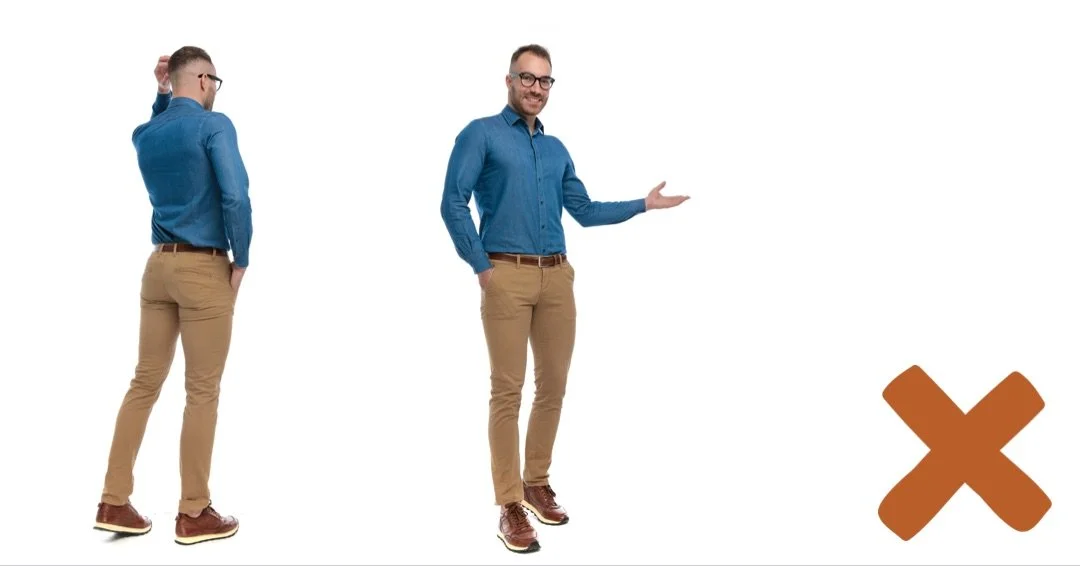
In my opinion, all types of pants (from formal suit trousers to casual jeans) look best with a higher rise, meaning they are worn higher on the waist. However, if you’re truly not a fan of high-waisted pants, at least be willing to consider them for your suit.
A suit is meant to create a seamless, unbroken silhouette from head to toe. That’s why a suit is only a suit when the jacket and trouser fabrics match.
When trousers are worn too low on the waist, chances are your shirt and tie will protrude from the space left between the trouser’s waist and the jacket’s button. This is one of the most unflattering mistakes you could possibly make when wearing a suit.
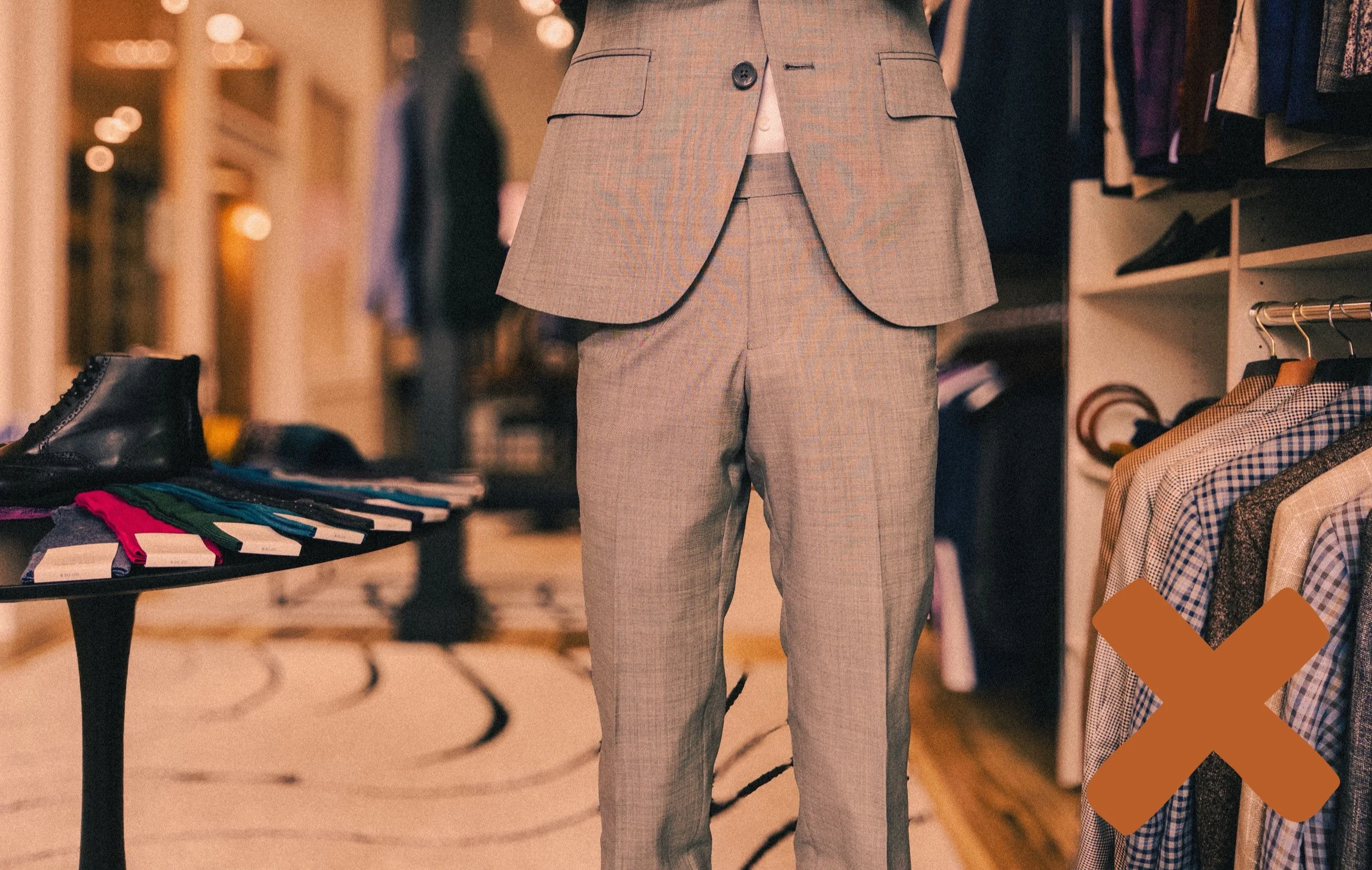
Not only does this break up the suit’s silhouette, but low-rise trousers can even make you look like you have a bigger belly than you do.
Wearing the trousers higher on your waist will allow them to sit near or at where the jacket button fastens, eliminating the gap created by the low-rise alternative.
In addition, this helps your shirt remain tucked in and will eliminate any unflattering overhang (or “mushroom-top”) your shirt might present with low-rise trousers.
A higher rise allows for the fabric to drape over your hips the way it’s meant to. The difference between clothing that drapes properly and clothing that doesn’t is drastic and is the primary difference between the good and the excellent.
Leg-Room
Another issue I mentioned would be a fit that’s too tight. Gone are the days of skinny jeans, which begs the question: why are skinny-fit trousers still hanging about?
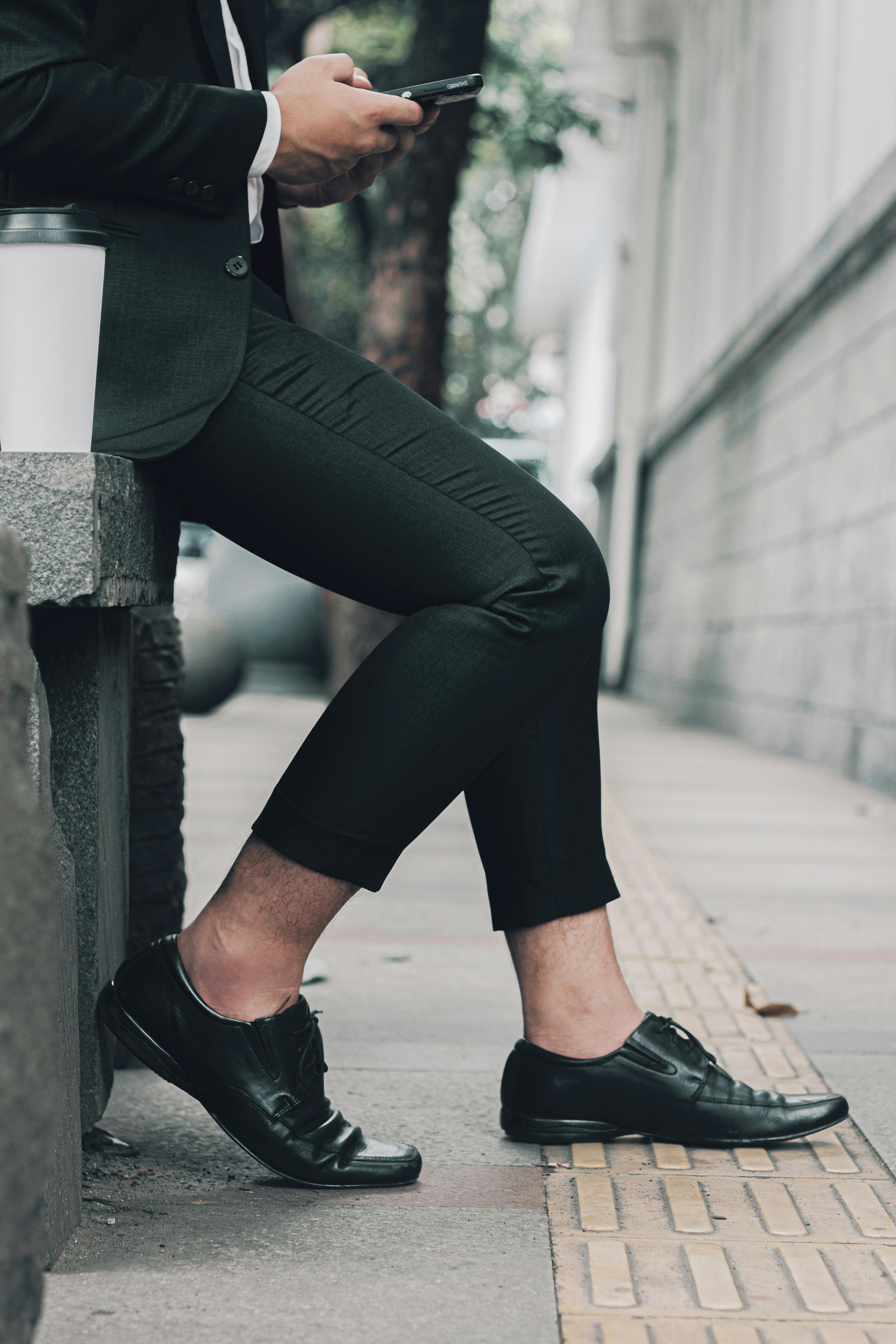
If I wanted to be squeezed this tightly, I’d make friends with a boa. A reptilian level of squeeze is one way to ensure your fabric is not draping properly. You can still wear a much slimmer pair of trousers while maintaining the proper amount of movement a good drape requires.
More room means more drape, which is my preference. But slimmer fits aren’t inherently bad. They just need to be cut and worn carefully whilst considering the important points we’ve already discussed — ensuring that the final garment still exudes beauty and can present itself as one born of expert intention.
Usually, for a very slim fit, you’ll still want at least 1.5 inches of room around your thighs and calves.
Break
The “break” is determined by the amount of fabric that rests on the top of your shoe. There are four main types of pant break: No break, quarter break, half break, and full break.
No Break
No break means that the pants end short, with no fabric touching the top of your shoe. No break is a more aggressive, fashion-forward look and works best on taller, slimmer guys.
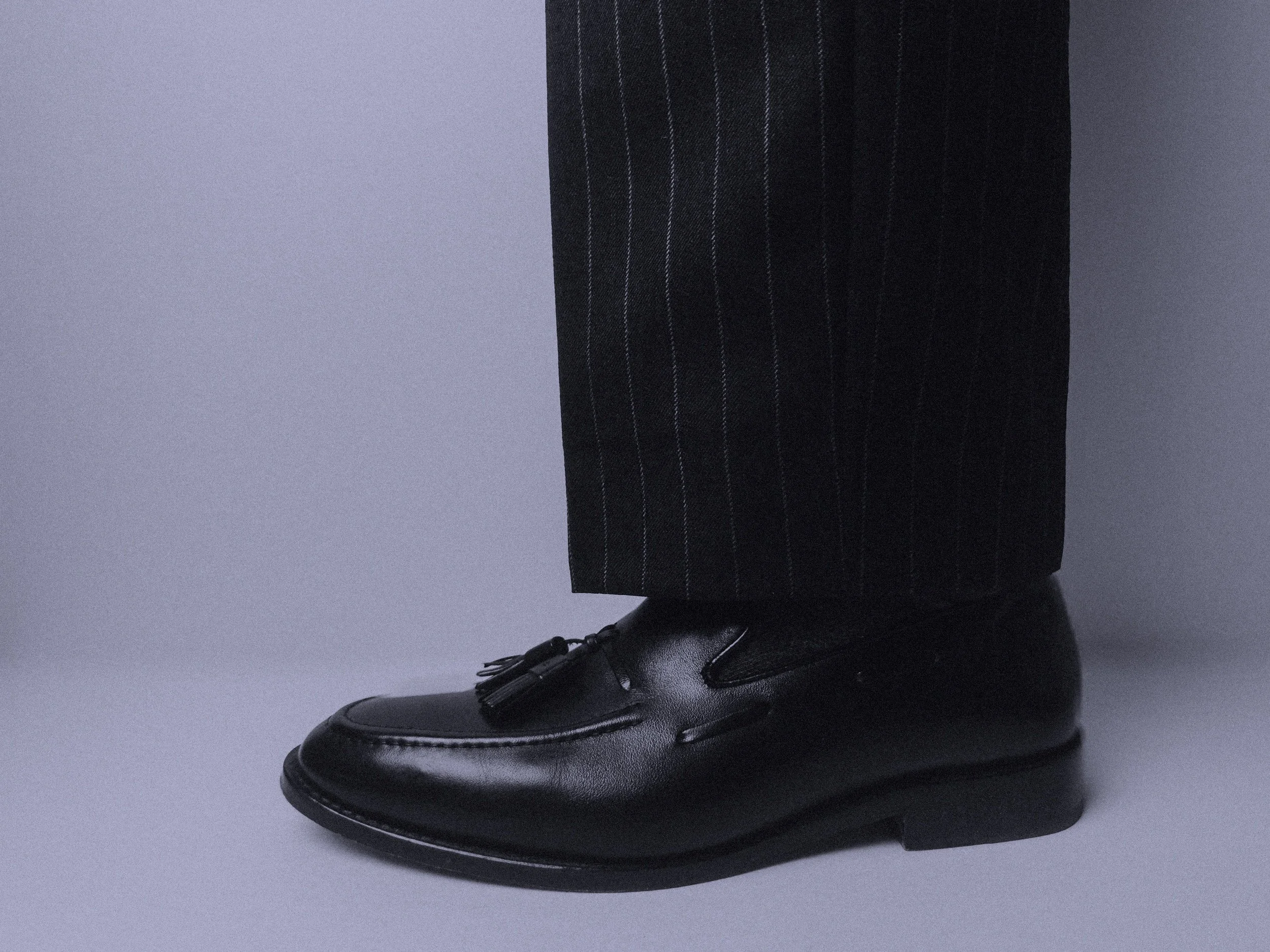
If you like a very tapered pant leg, stick to “no break.” This is because your pants should be wide enough at the opening to at least touch the tongue of your shoe if a break is desired.
Quarter Break
A quarter break allows the fabric to rest lightly against the top of the shoe. The fabric will kiss the shoe and a slight crease in the fabric will be visible.
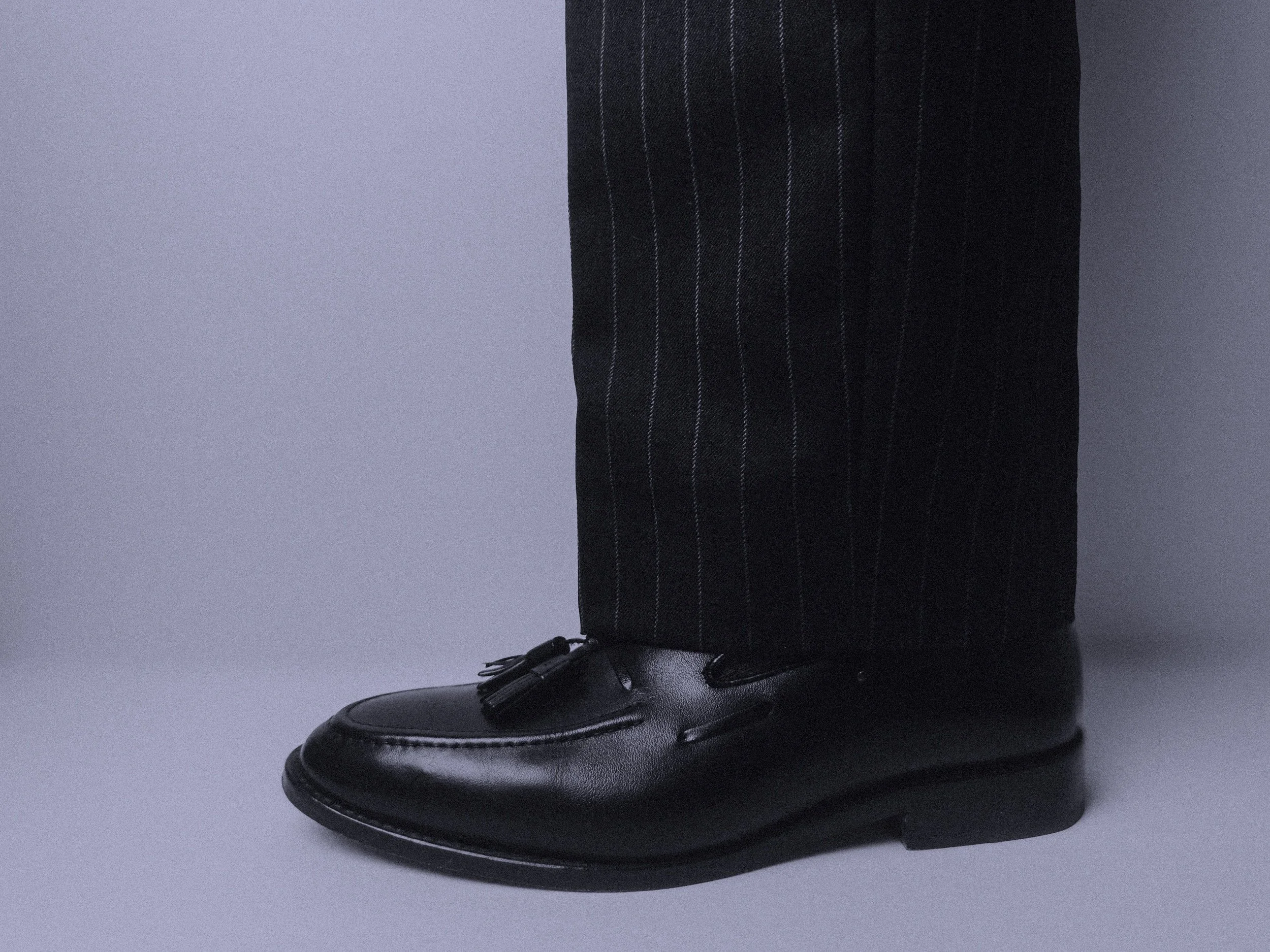
A quarter break is a great go-to if you like the idea of no break, but want to avoid being too trendy.
It’s modern, but also relatively timeless and works best on slim and average-build guys.
Half Break
A half break is what I would recommend if you want a classic, timeless silhouette that always looks good.
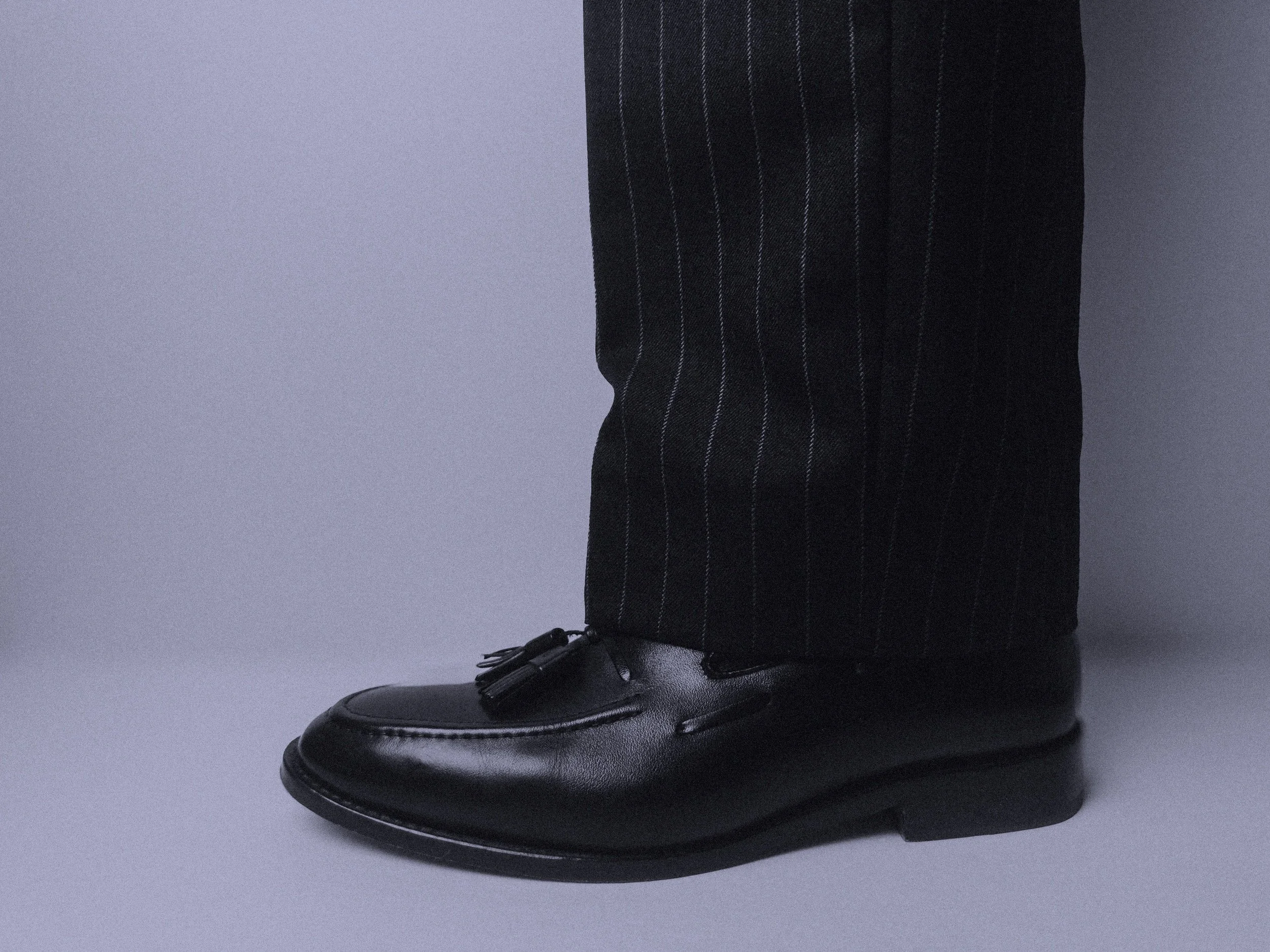
A half break allows more fabric to crease on the top of the shoe. Remember to keep the opening of your pant leg in mind, as a leg with too much of a taper will not look right with a half or full break.
The half break works well for all build types and situations. It’s a great place to start if you’re not sure yet what your preference is.
Full Break
The full break is a classic, vintage style that only works when the opening of the trouser is wide enough for the cloth to (at the least) rest on the tongue of the shoe.
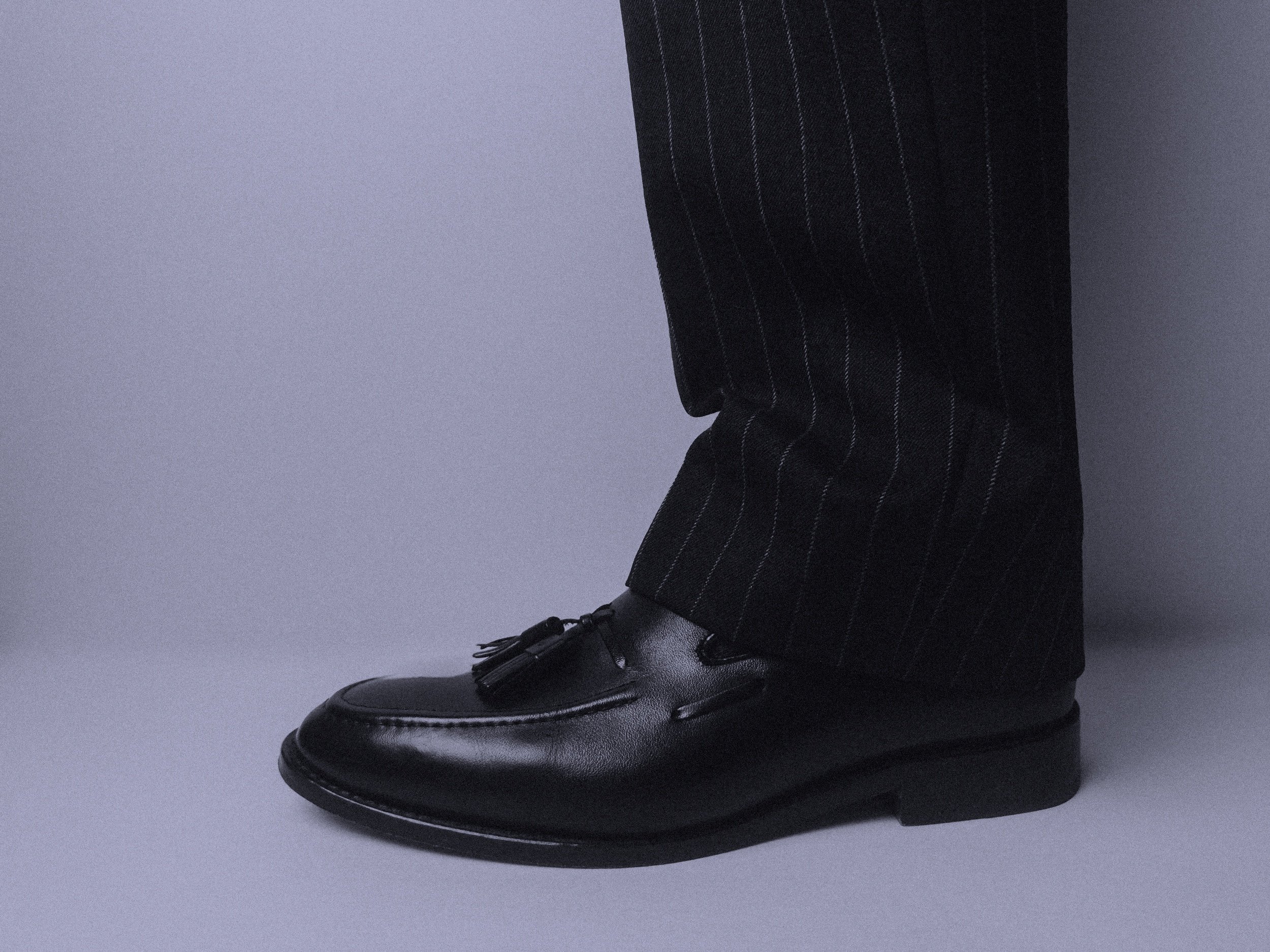
The full break allows the fabric to drape over the shoe enough that the fabric fully creases in front. This look is suited for older gentlemen and those who want to showcase a vintage-inspired silhouette.
It is also a good option for bigger guys as it keeps the outfit’s proportions properly in line.
Waistcoat/Vest
If you opt for a waistcoat, please be sure that it’s long enough to cover the waistband of your trousers. Waistcoats all-too-often fall short (pun intended) when it comes to ready-to-wear suiting. For most people, it is more likely that you will have to lean into reputable custom or made-to-measure programs to get the vest length correct.
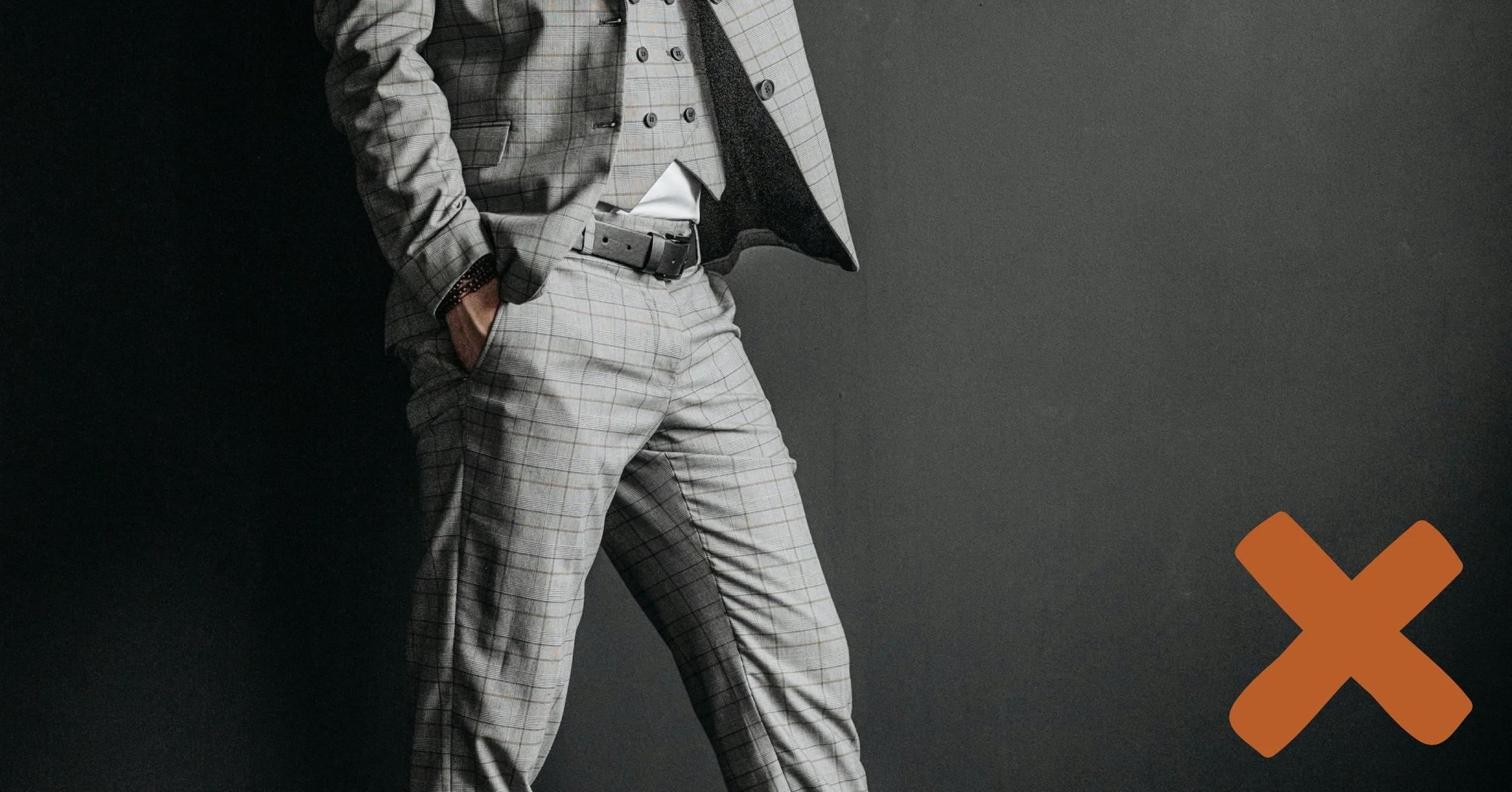
A waistcoat should also fit close to the body and remain relatively simple in style so as not to draw attention away from the suit as a whole.
Shirt
While I don’t entirely discourage stretchy materials in clothing (if that’s your preference), I find that far too many individuals rely on it for comfort while obtaining the absolute slimmest cut possible. In my opinion, a shirt (and any other clothing for that matter) should be comfortable without relying on athletic, stretchy material for movement.
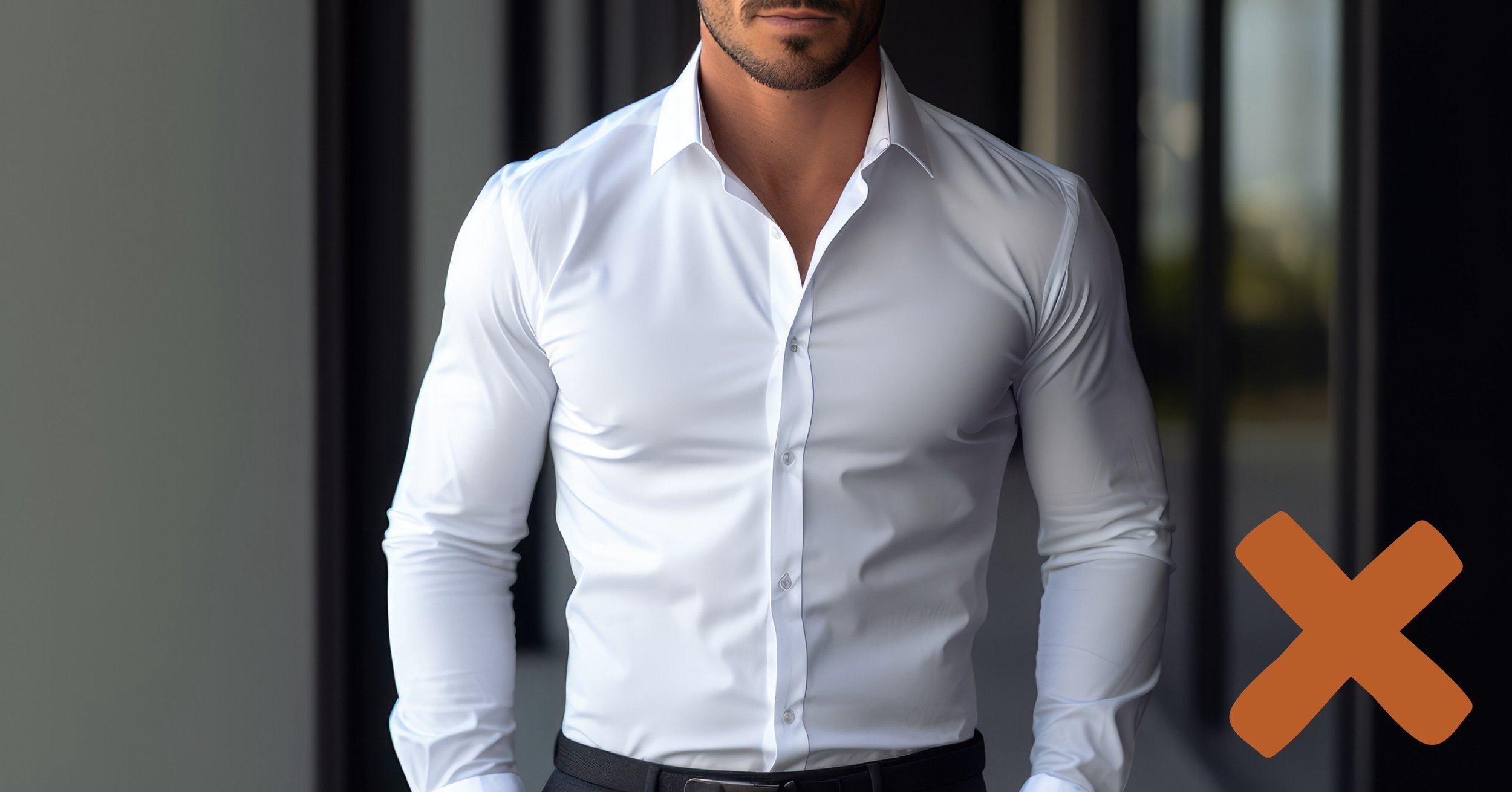
If your shirt fits properly in the following key areas, the rest of the shirt can in fact fit much looser while still providing you with a beautiful silhouette.
Shoulder
The way the shoulder fits on your shirt is detrimental to the overall image you present when wearing it. It’s usually the part of the shirt that most dictates whether or not you appear deliberately well-dressed or unwittingly disheveled.
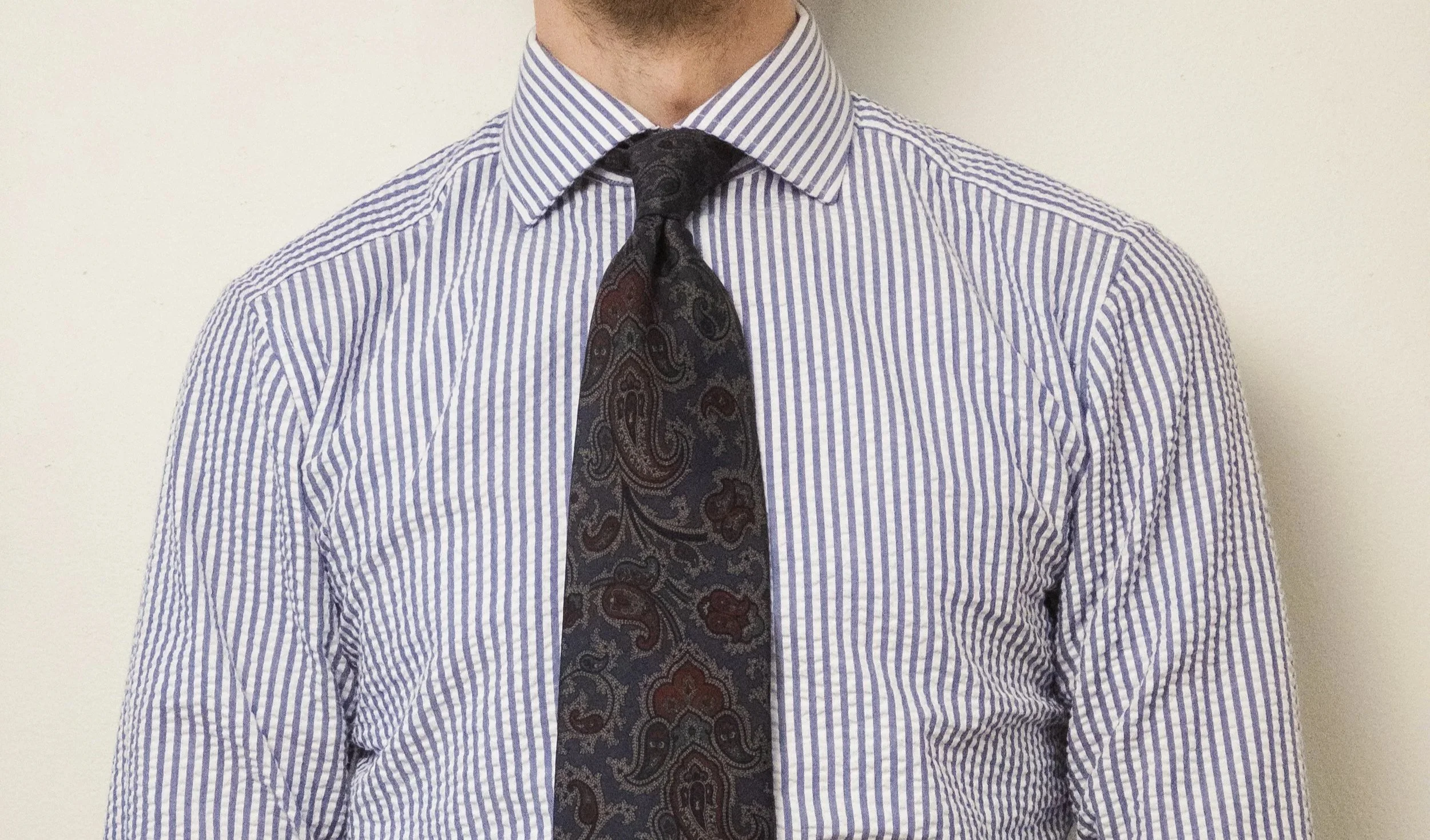
A shirt’s shoulder should sit right where the arm starts at the shoulder bone. If your shoulders are muscular and broad, or rounded and sloping, you may need the seam to extend slightly past the shoulder bone. This helps ensure there’s enough room across the back of the shirt for movement and comfort.
Neck
The collar of your shirt falls not far behind the shoulder in order of fit importance. In fact, when the shirt is worn beneath a suit, the collar may be even more important as it’s always on display. It frames your face and works in harmony with the suit jacket to do so. This means that an ill-fitting collar can certainly ruin an otherwise nice-looking suit. Please, refrain from making this mistake!
A collar should fit close to the neck without being too tight. We’re going for aesthetics, not asphyxiation. In my experience, I actually see collars that are too loose far more often than I see collars that are too tight. Be wary of this. A shirt should not leave a conspicuous gap between the collar and your neck.
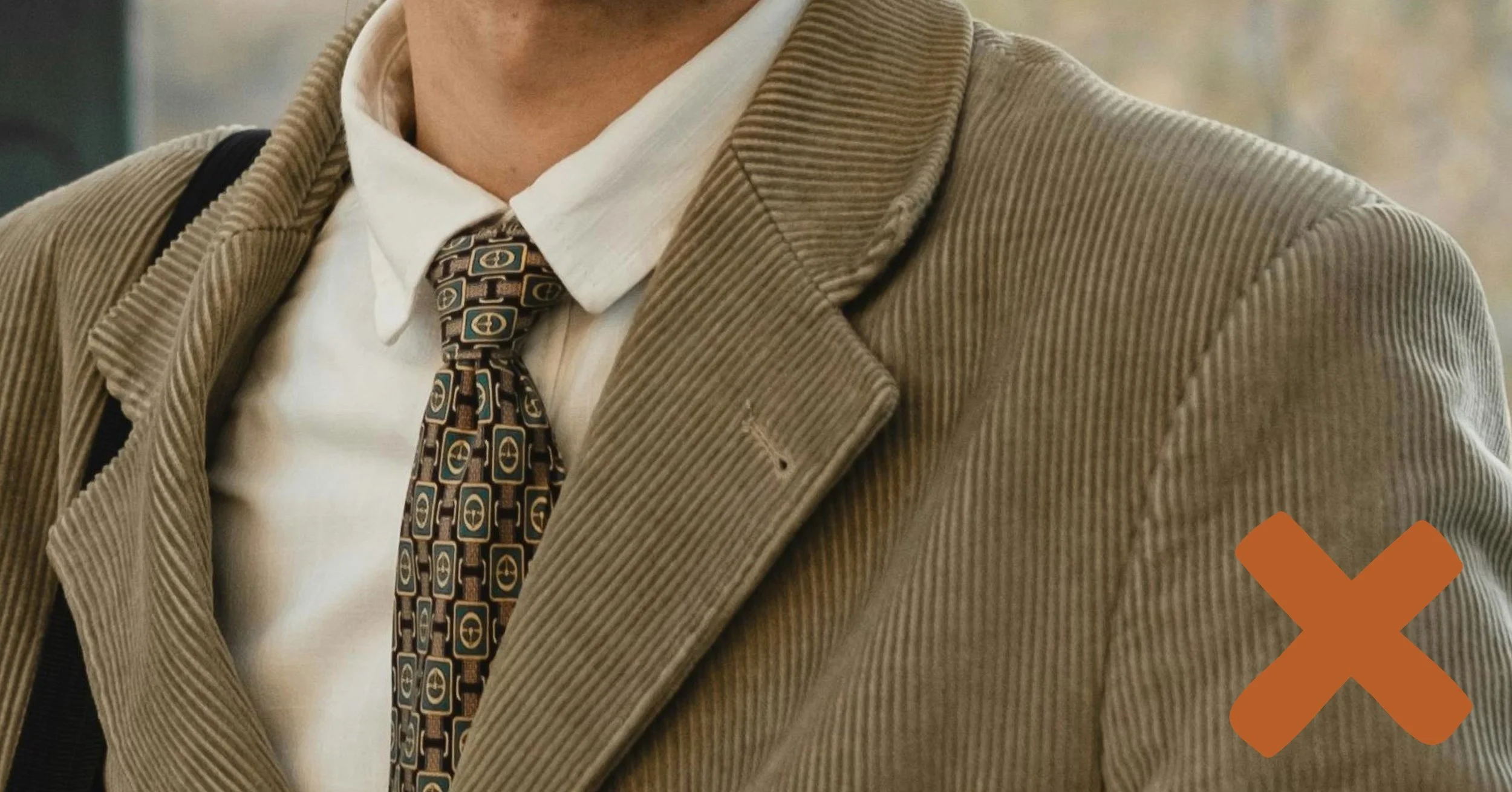
I also suggest avoiding very narrow collars like the one shown above. Once again, two negatives (the collar gap and narrow collar here) don’t make a positive. Narrow collars do not allow for proper drape and turn-of-cloth. Even if trendy, I can assure you that those with deep understanding of clothing and classic menswear will always appreciate a wider collar while the narrow ones will remain overlooked and even avoided.
When you're buying pre-made shirts, get the collar right first. Then the shoulder. Other parts of the shirt can be adjusted fairly easily if necessary. However, I would be remiss to abstain from mentioning that in my personal experience, if you know you are going to need alterations on a shirt, you would likely be better off just having one custom made instead (so long as time allows for it).
Alterations can get costly fairly quickly and shirts tend to show obvious signs of having been adjusted. Custom shirts can often cost less than buying a good ready-to-wear shirt and then having it altered. Anyway, who wouldn’t want something made specifically for them?!
Sleeve Length
Especially when worn with a suit jacket, sport coat, or blazer, the sleeve length of your shirt is key to proper proportions.
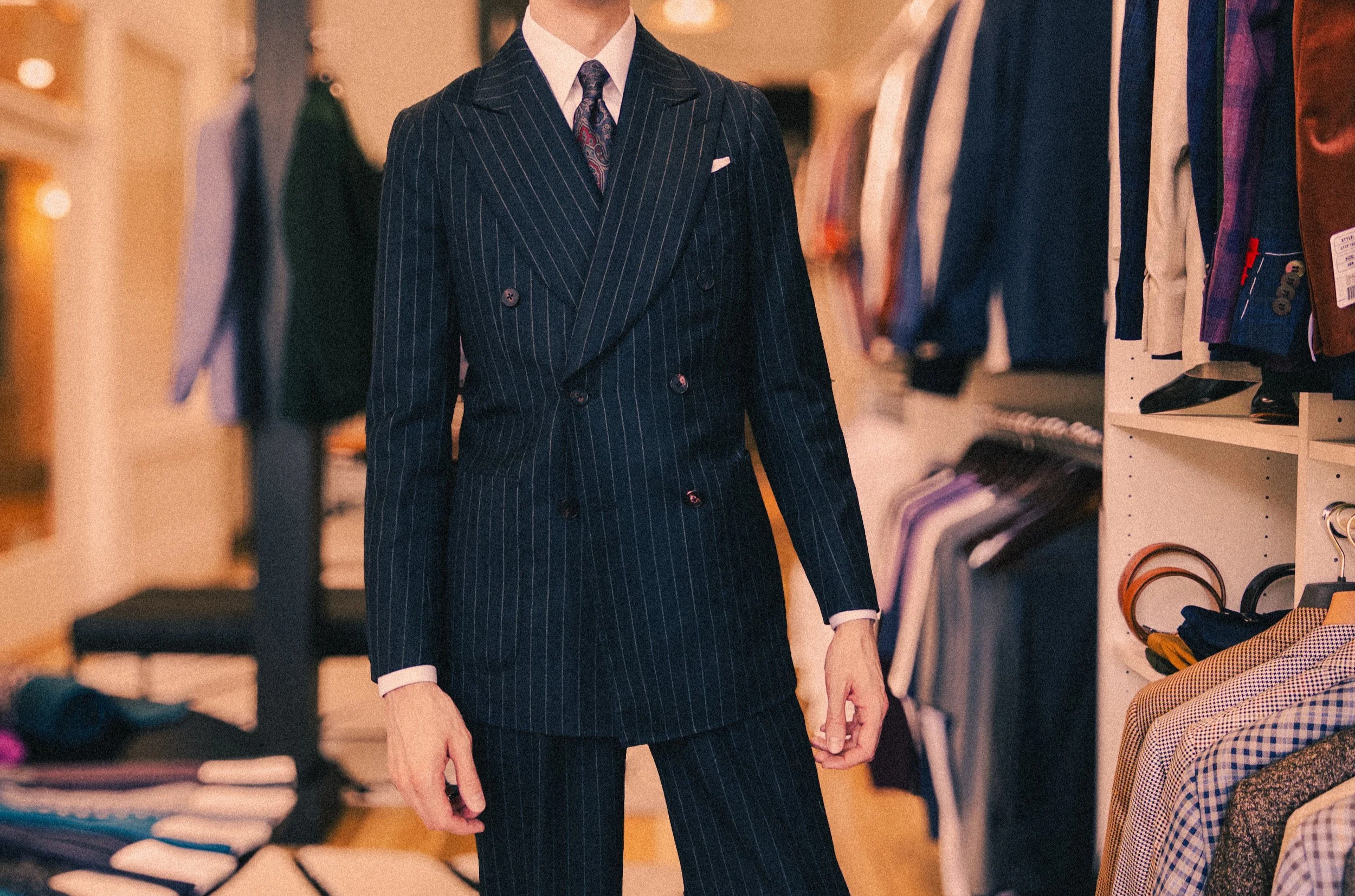
A shirt sleeve should rest at the top of your thumb knuckle with your arms relaxed at your side. The cuff should fit close to the wrist, without being overly tight.
The cuff should hold the shirt sleeve in place at the top of the thumb knuckle, which means a little extra length is acceptable. The extra fabric moves into the elbow, allowing for more movement in the arms but the cuff still rests correctly when relaxed.
If the cuff is too loose, a longer sleeve will fall down over the hand, causing a disconnect in the outfit’s proportions. An easy fix for this is to have a tailor move the cuff button so you can fasten the cuff closer to the wrist.
Overall Length
The shirt should be long enough to stay tucked in even with a lower-rise pair of trousers. I like my dress shirts to hit near the crotch of my trousers to ensure they are long enough, but that they don’t bunch uncomfortably.
If your shirt is casual and you like wearing it untucked, the length can be shorter.
Tie
The tie is a pretty simple one. When tied, the end of your tie should rest with the point near the middle of your trouser’s waistband.
I personally tie mine slightly longer than that. Especially if you wear your trousers around your natural waist, a longer length of tie is definitely acceptable.

My favorite tie knot is the four-in-hand. In fact, it’s my opinion that it’s the only tie knot you need to know. If you’re a shorter guy or someone with a skinny neck, all you have to do is wrap the tie around an extra time or two before finishing the knot to make sure the length is correct.
If the tie length is correct, but your tail is longer, simply tuck the tail into the waistband of your trousers. Voila.
Shoes
Shoes are interesting. You probably think front-to-back length is how a proper fit is determined.
However, there’s more to it than that. With a shoe, especially a dress shoe, the part that matters most is the ball of your foot. From side to side at the ball of your foot, the shoe should fit snugly.
If you can squeeze the side of the shoe at the ball of your foot, they are too loose. The ball of your foot should rest comfortably against the inside of the shoe.
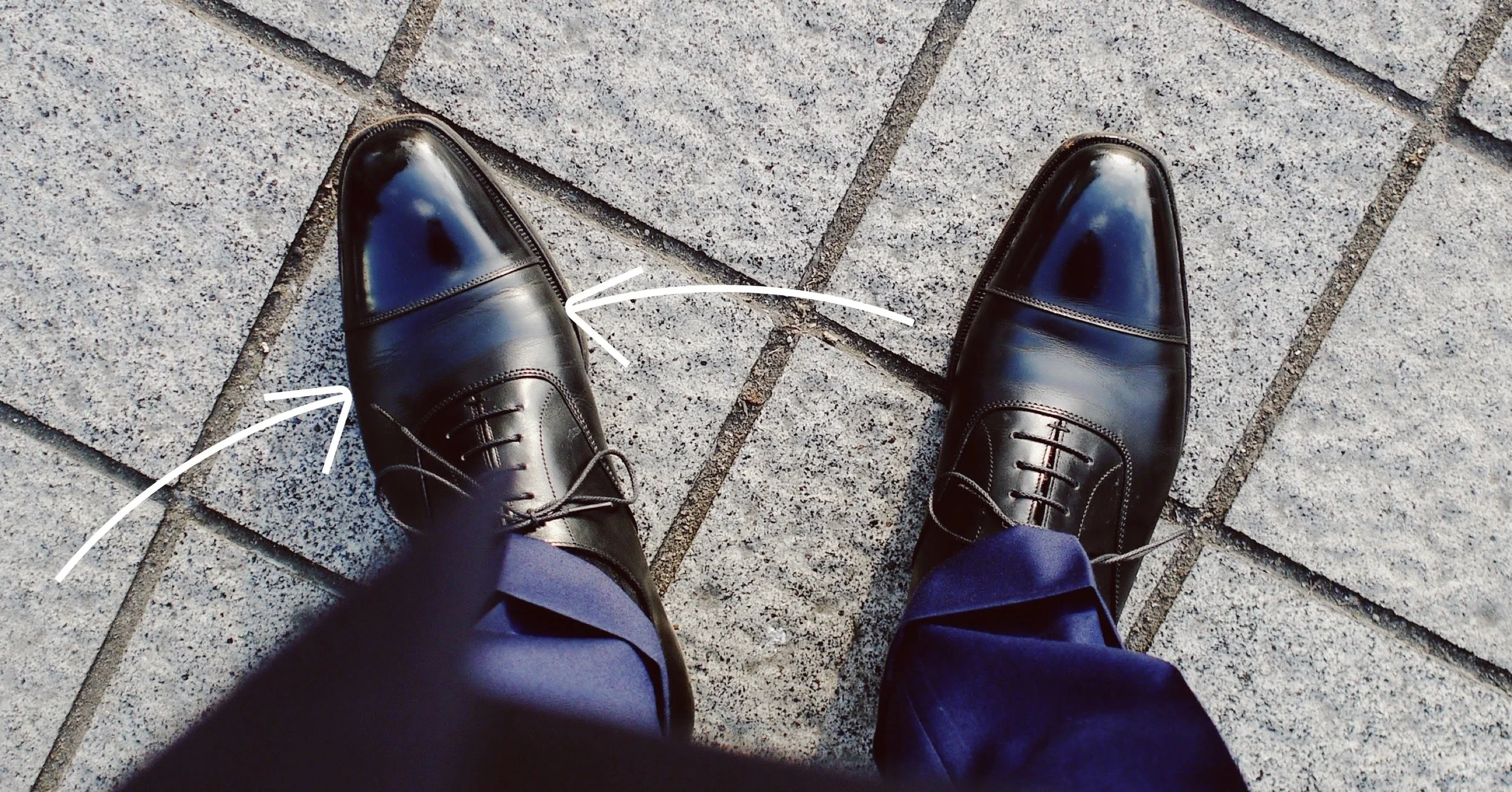
If the ball and opposite side of your foot are uncomfortable and feeling squeezed, the shoe is too tight.
Front-to-back, your foot should remain in place. The opening and tongue of the shoe will help to ensure this as they should be snug when tied. If the top and sides fit, the length can actually be quite significant without feeling large.
More aggressive shoe lasts (the last is the “form” that the leather is wrapped around to create the shoe’s shape) will have more pointed toes which require extra length since they are rather narrow at the front. If you can picture a western cowboy boot with a long profile, pointed toe, and metal toecap, this can help to illustrate what I mean when I say the shoes can fit well while still measuring longer overall.
Coats and Jackets
The first thing I look at on an over coat or jacket (such as a chore coat or a denim jacket) is the sleeve length. The coat’s sleeves should be long enough to cover any shirt sleeves worn beneath and should land at or even past the break of the wrist. Here is a coat of mine with what I consider the perfect sleeve length for a coat of this style.
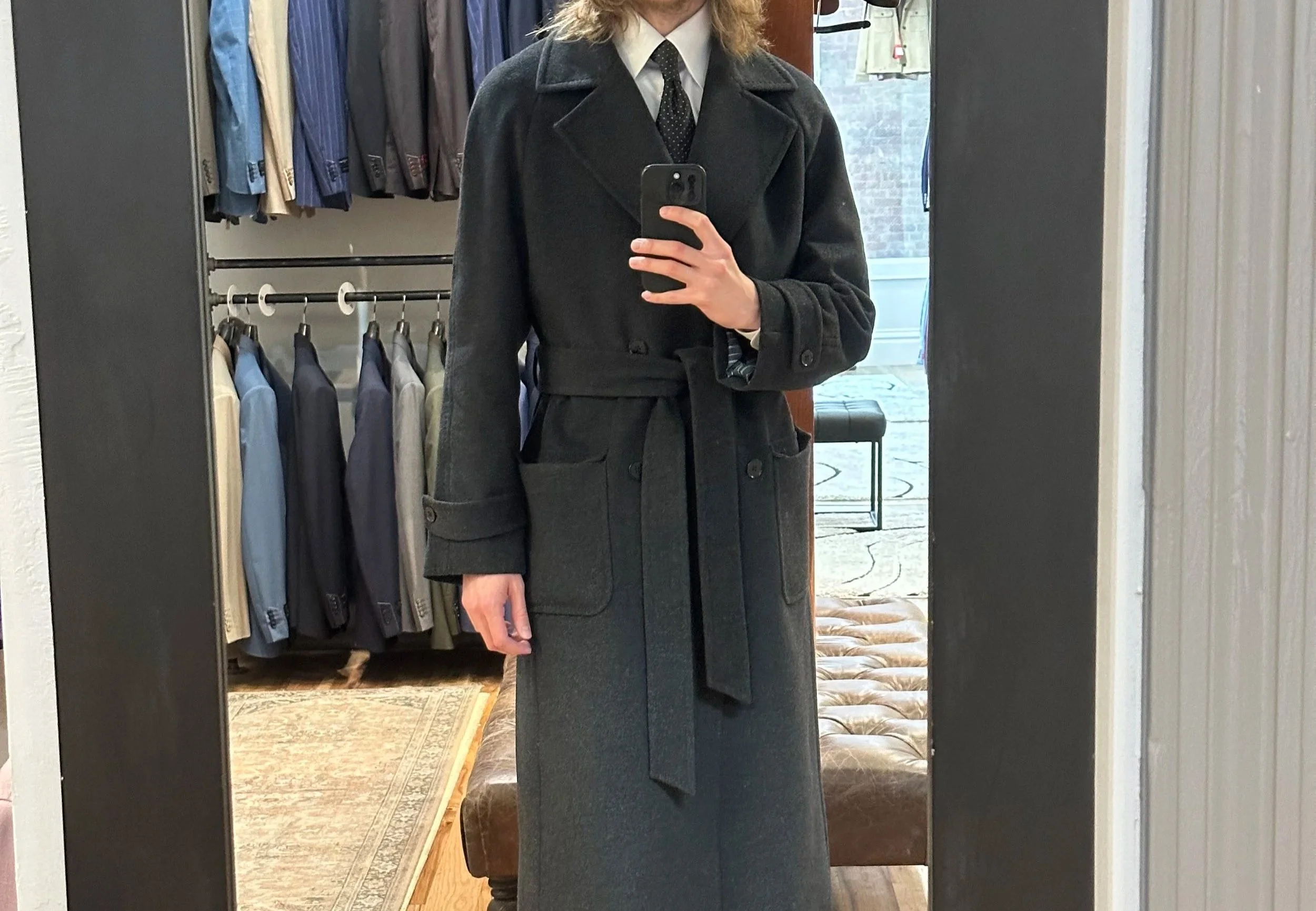
The length of the coat itself depends on the style. A trench coat is one of the longest styles of coat, with lengths sometimes reaching as low as the ankles. Other coats such as a pea-coat or car coat will have a shorter length, usually hitting mid-thigh or higher.
Conclusion
Fit is arguably the most important aspect of each item in your wardrobe. A bad fit will really throw off an outfit. This is especially true with suiting.
Seek out inspiration, especially in your casual outfits. There are many different ways a garment can be cut that will suit you well. Look for what inspires you and fits your aesthetic. But always keep these key fit points in mind.
Enjoy the journey and accept that mistakes will happen. But the more you pay attention to and apply these concepts in your outfits, the more intentional those outfits will become. Who knows, you could be the next style icon we all look up to!